Private Jaipur City Tour: Amber Fort, Hawa Mahal & City Palace
Hassle-free private Jaipur tour with all tickets, AC vehicle & licensed guide
Show inclusions & important info
Includes
- Priority access
- Skip the queue
- Mobile voucher
- Free cancellation
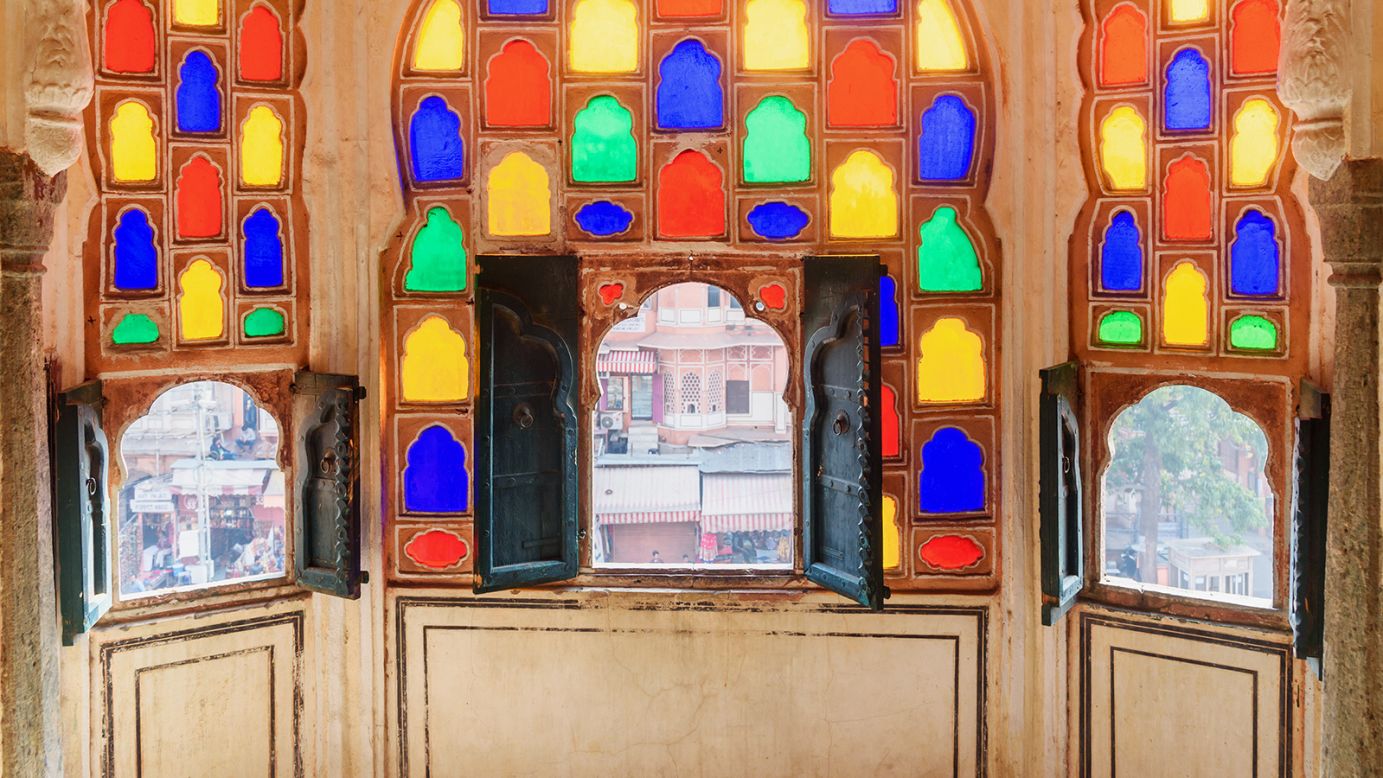
Pink sandstone catches the morning, latticed windows hold the breeze.
Hand-picked by our editors — only the best 5 tickets from 240 reviewed.
Verified partners for Hawa Mahal tours, free cancellation where available, and instant confirmation on every booking.
Hassle-free private Jaipur tour with all tickets, AC vehicle & licensed guide
5 hr
Private guided Jaipur city tour covering palaces, lakes & iconic landmarks
5 hr
Private half-day Jaipur tour: Patrika Gate, City Palace, Hawa Mahal & Jantar Mantar
4 hr
Discover Jaipur's floral soul with a private 4-hour cultural flower tour
Guided Jaipur tour: City Palace, Hawa Mahal & UNESCO Jantar Mantar
Prices from verified partners. Availability updates in real time at checkout. Free cancellation policies apply where shown.
Guided private tours of Jaipur with a dedicated driver, priced per small group.
Direct-entry and skip-the-line tickets for Hawa Mahal with instant booking.
Multi-day Delhi-Agra-Jaipur packages featuring Hawa Mahal among the stops.
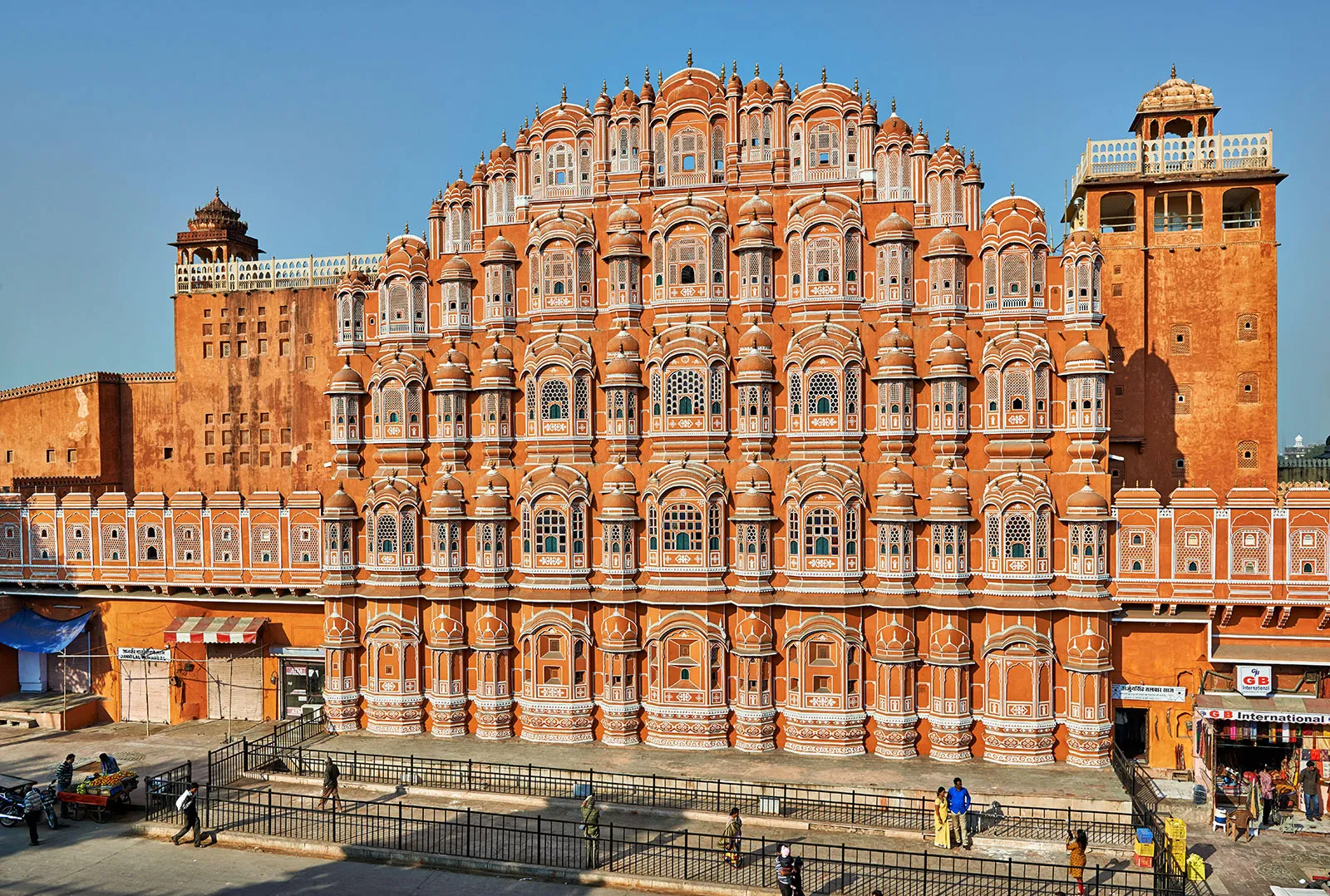
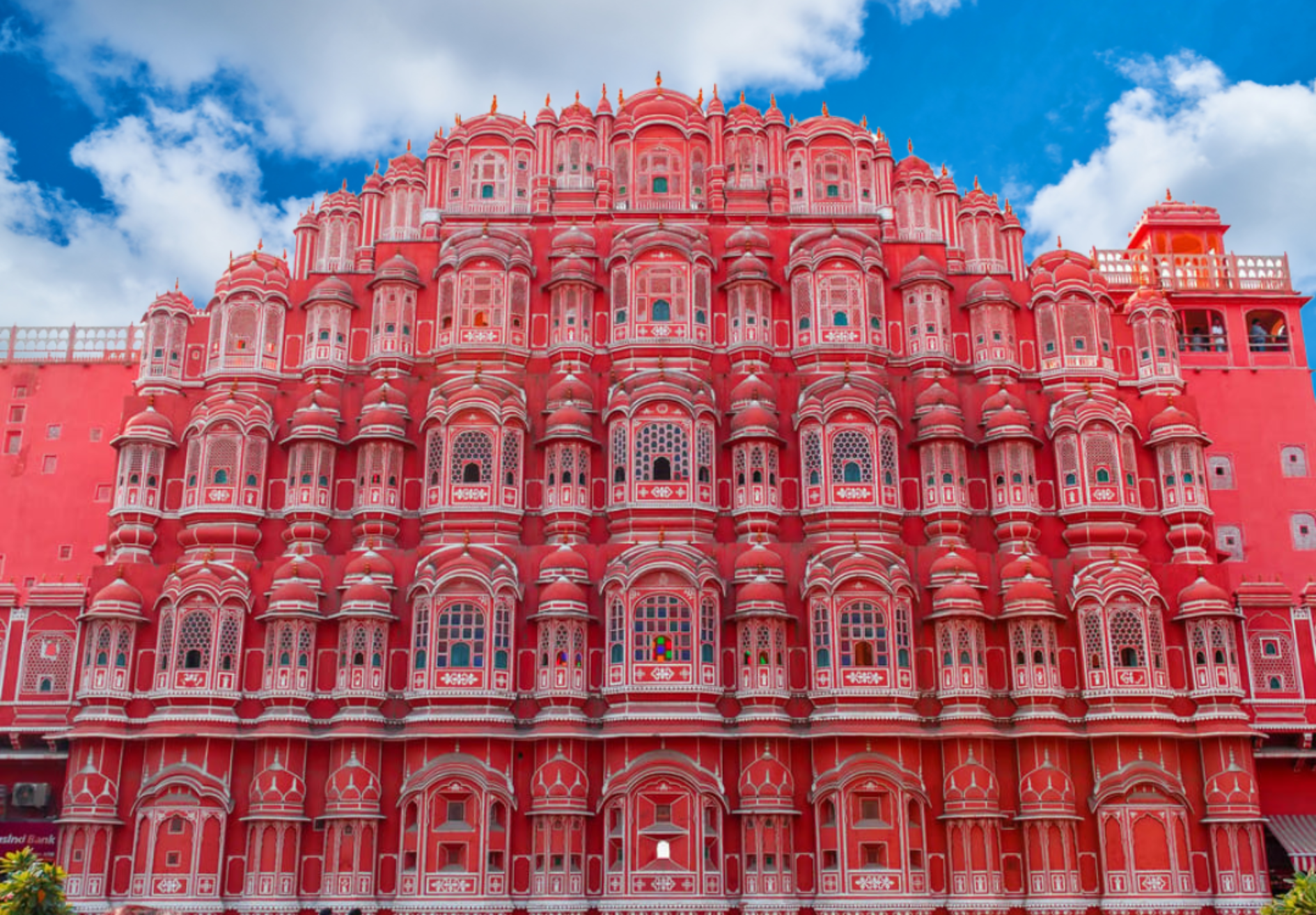
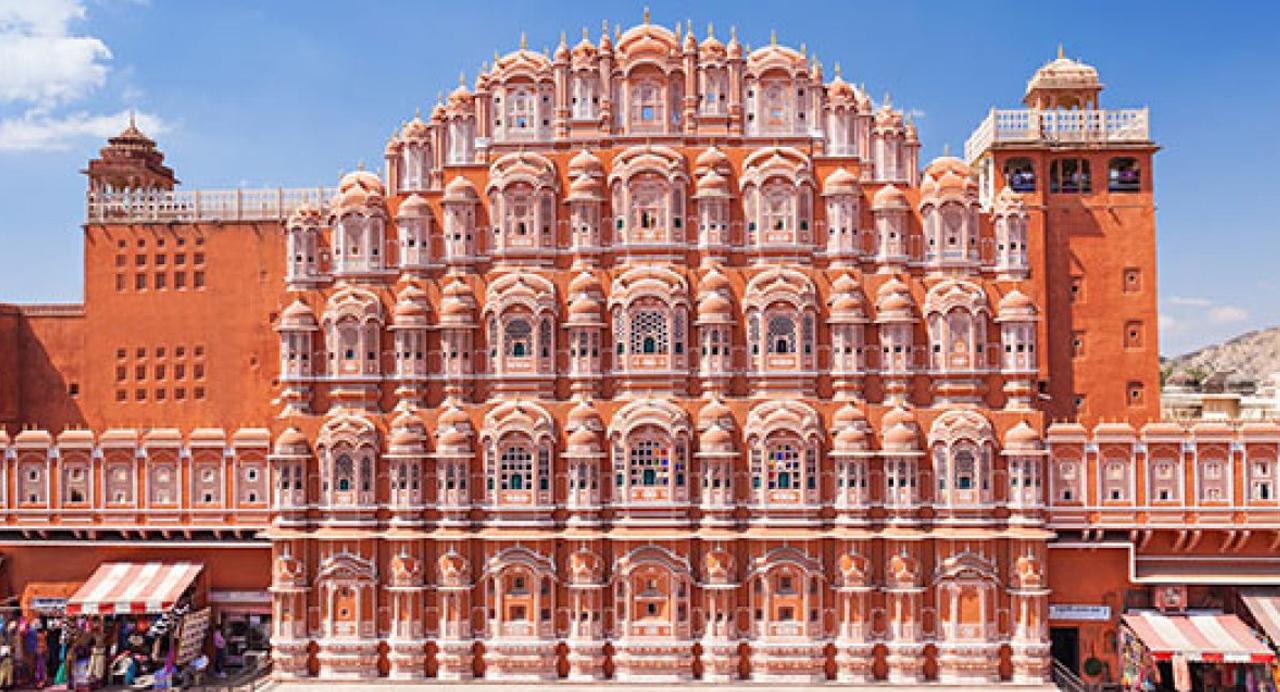
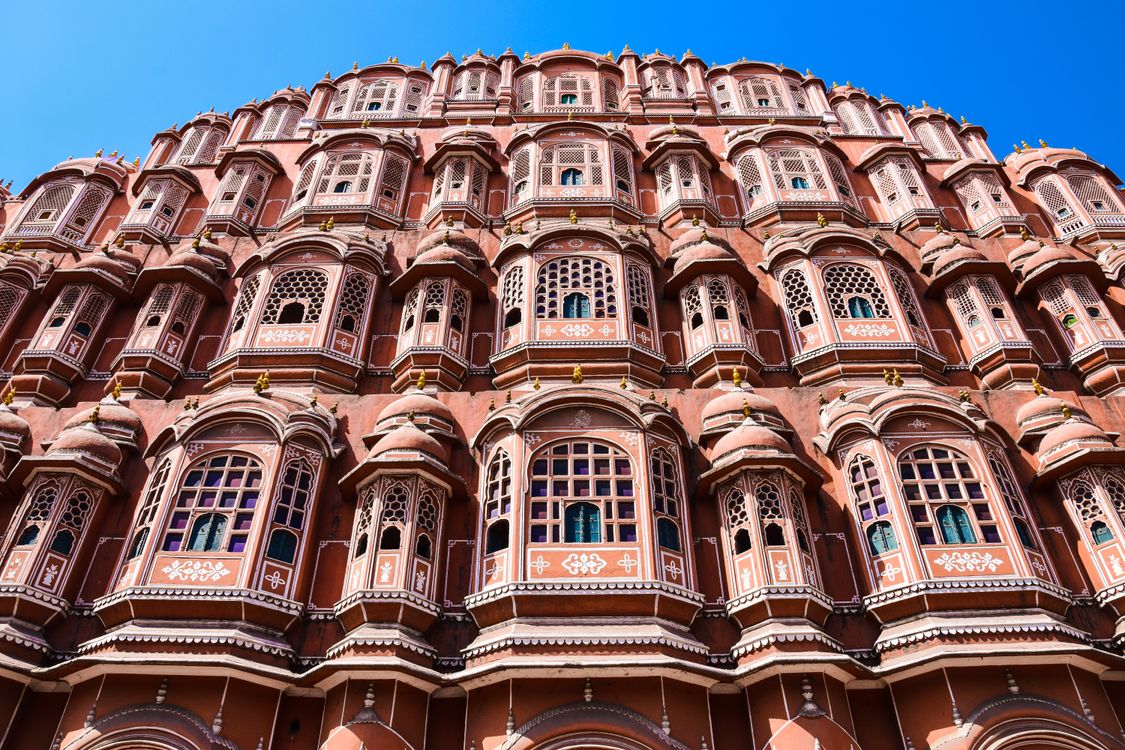
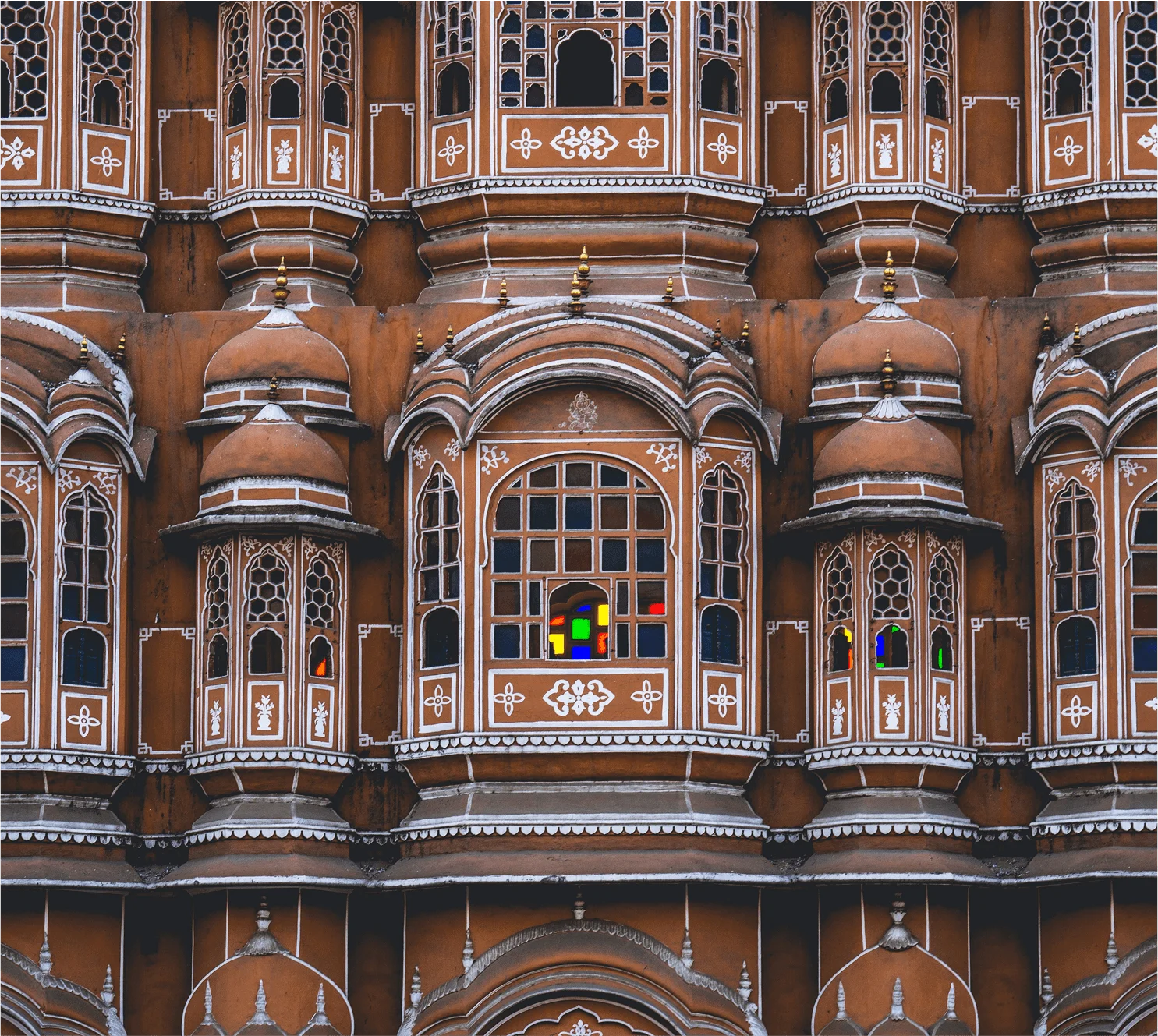
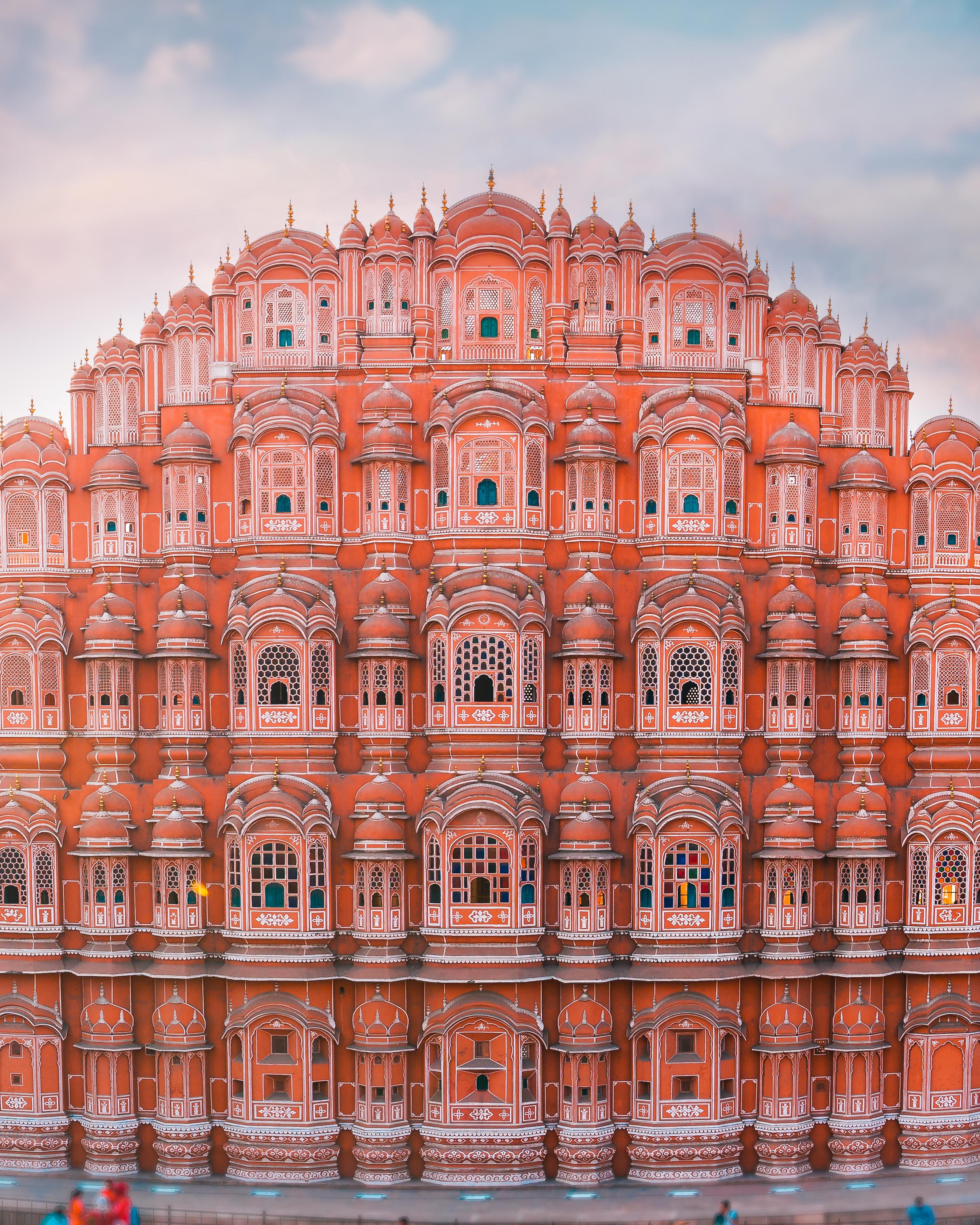
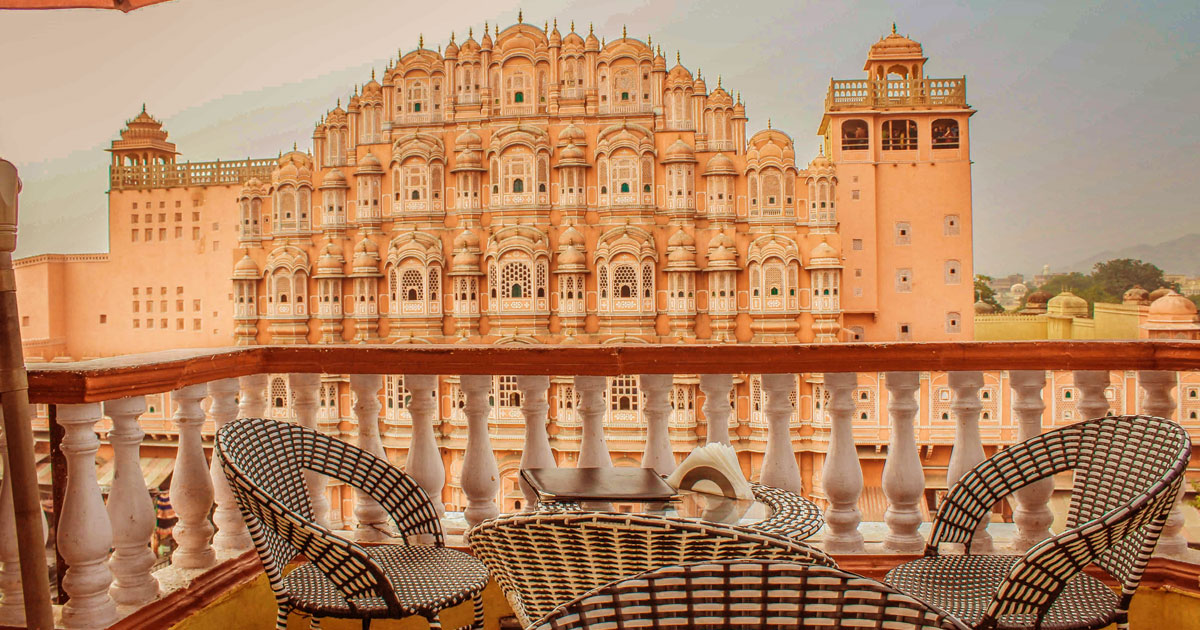
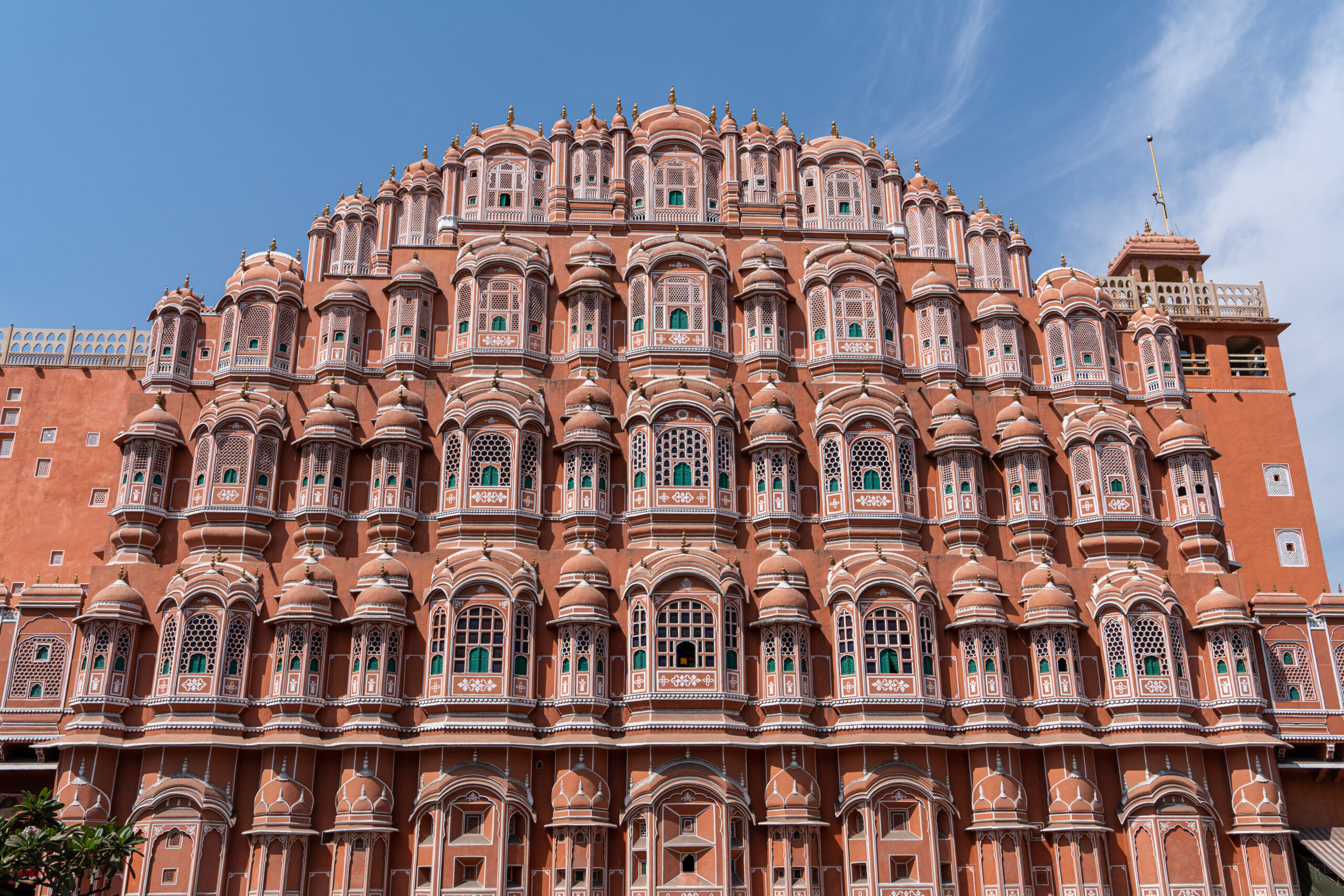
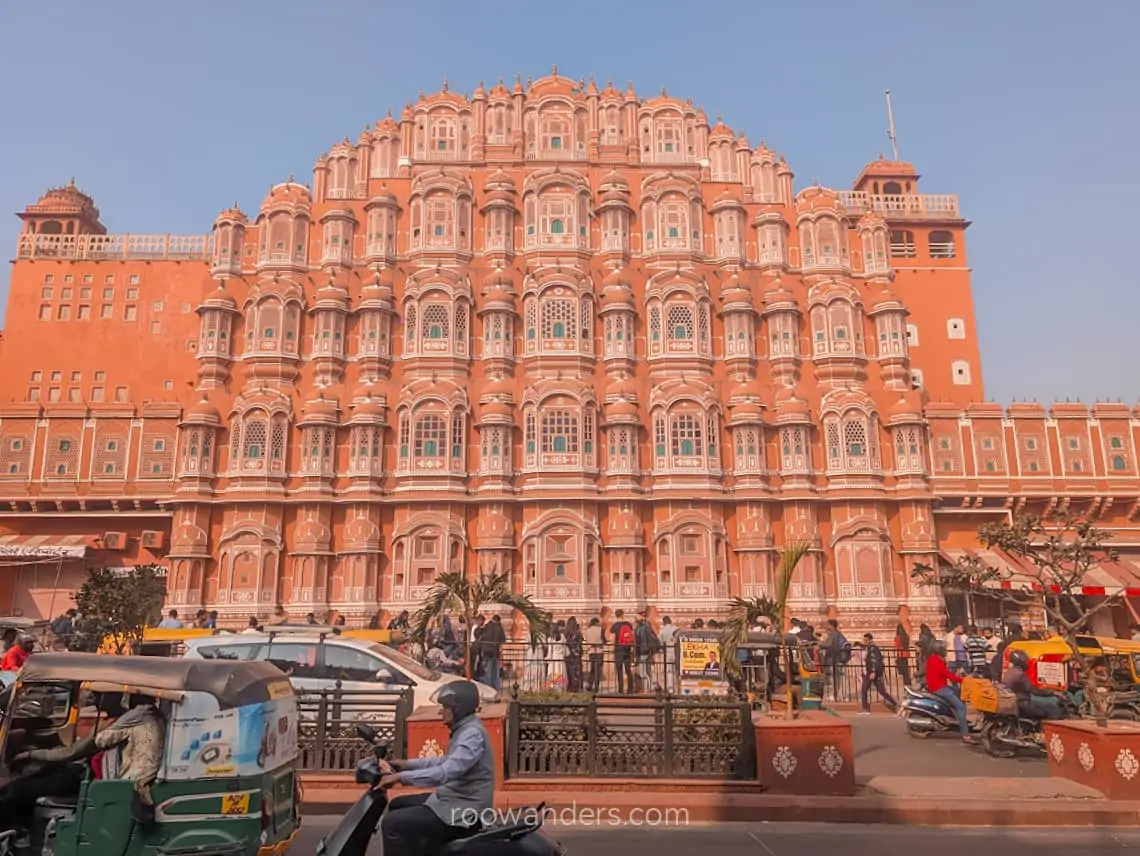
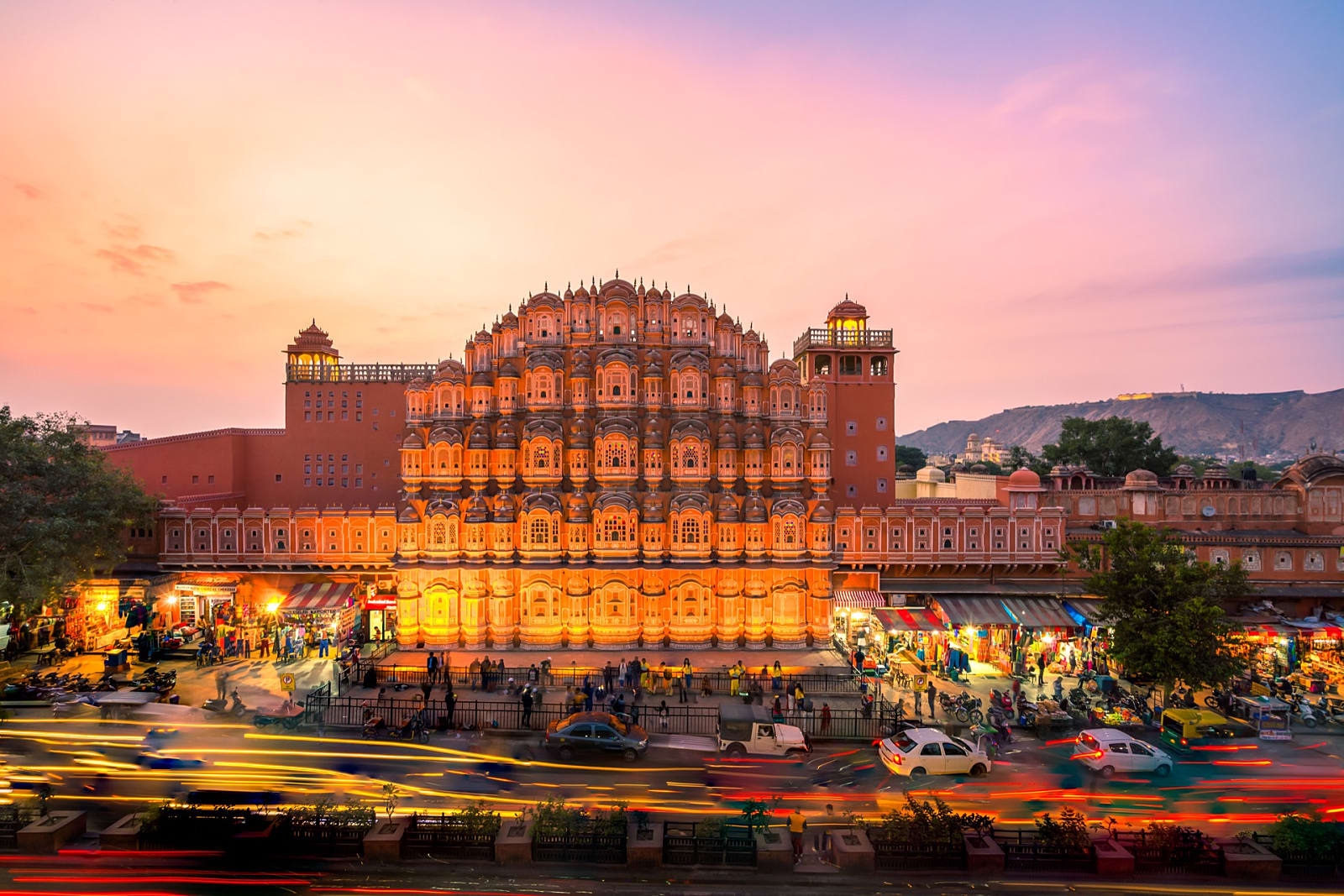
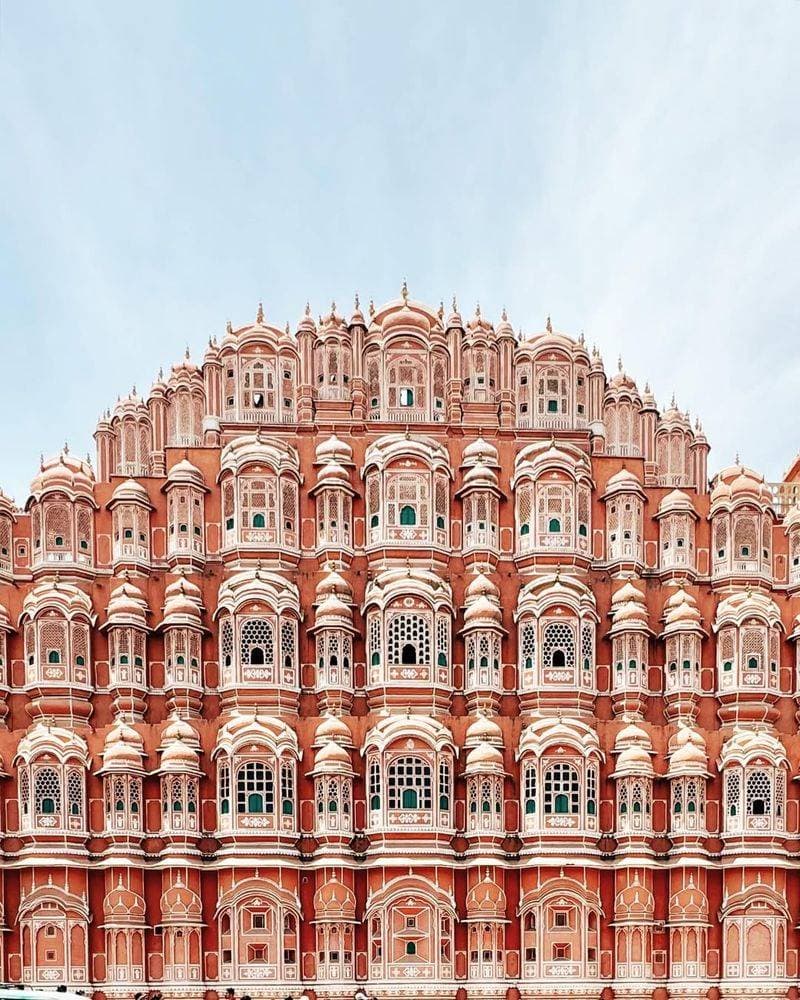
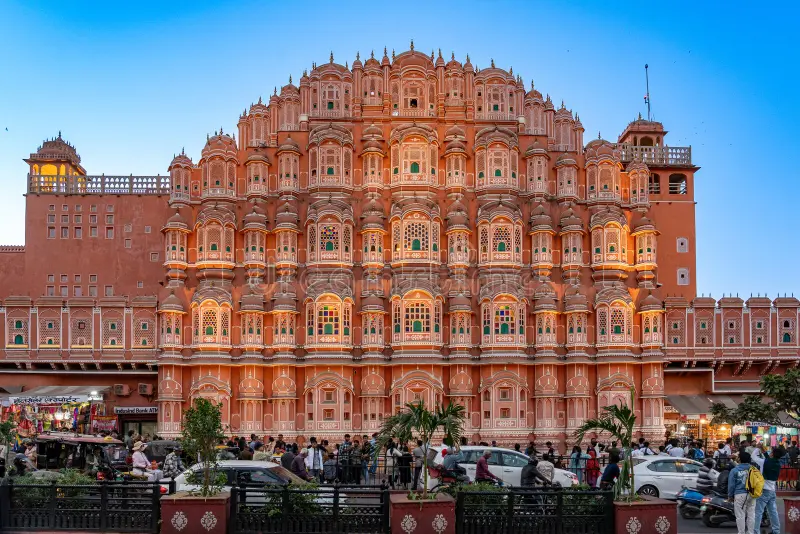
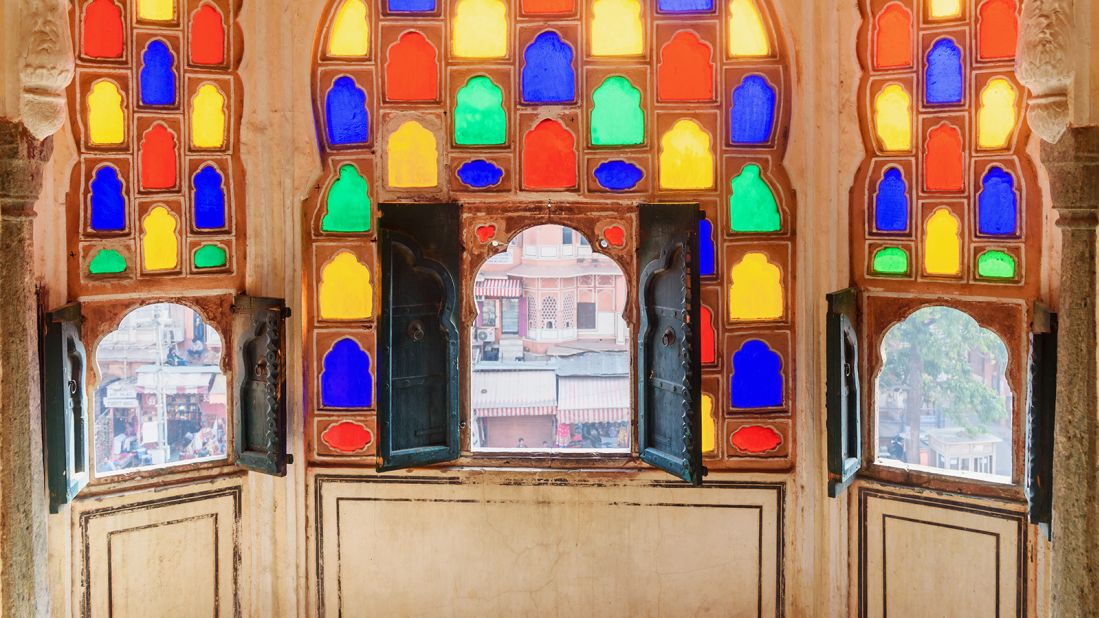
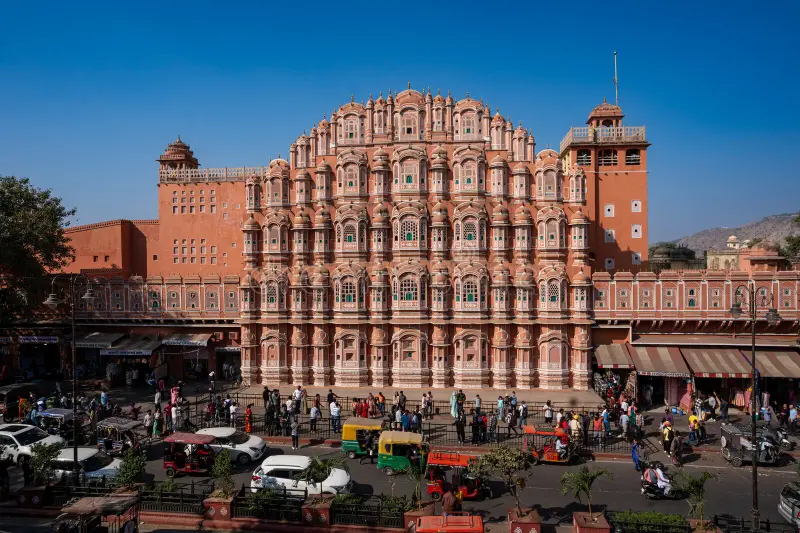
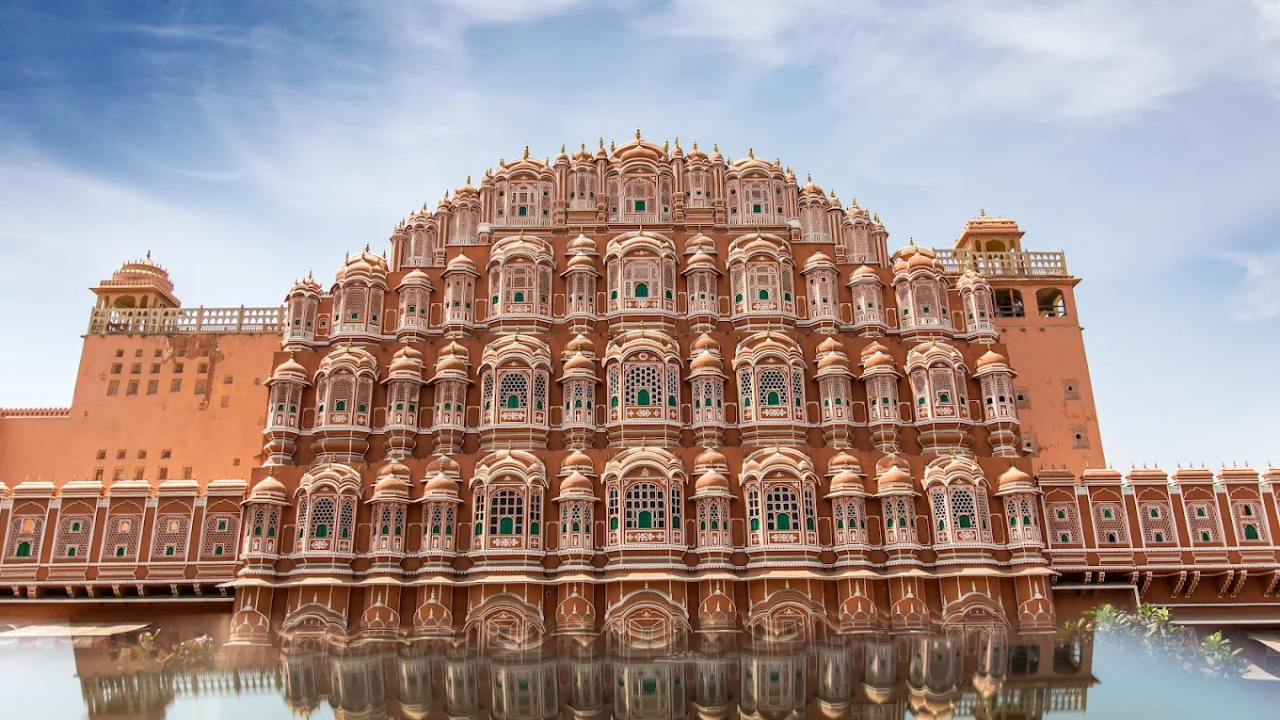
Built in 1799, hawa mahal was designed so royal women could watch Jaipur's street processions through 953 small windows without being seen. Its pink-and-red sandstone screen, the jharokha lattice, rises five storeys yet runs barely a single room deep — a facade more than a building.
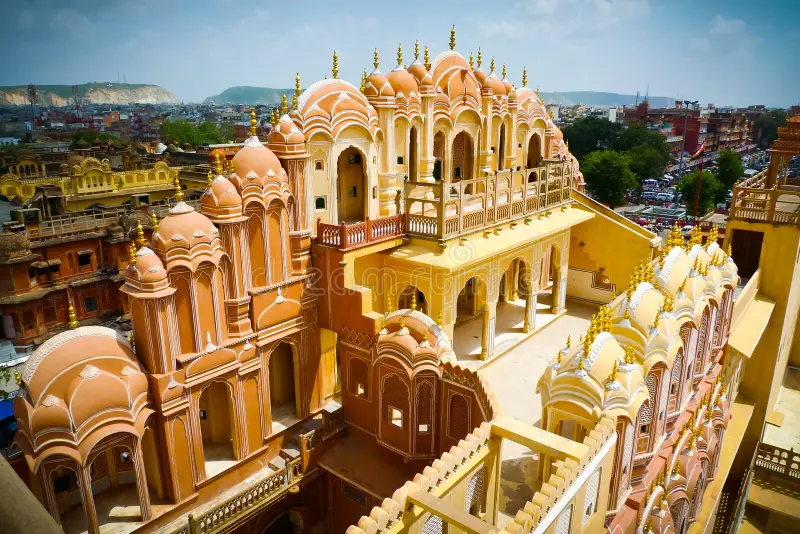
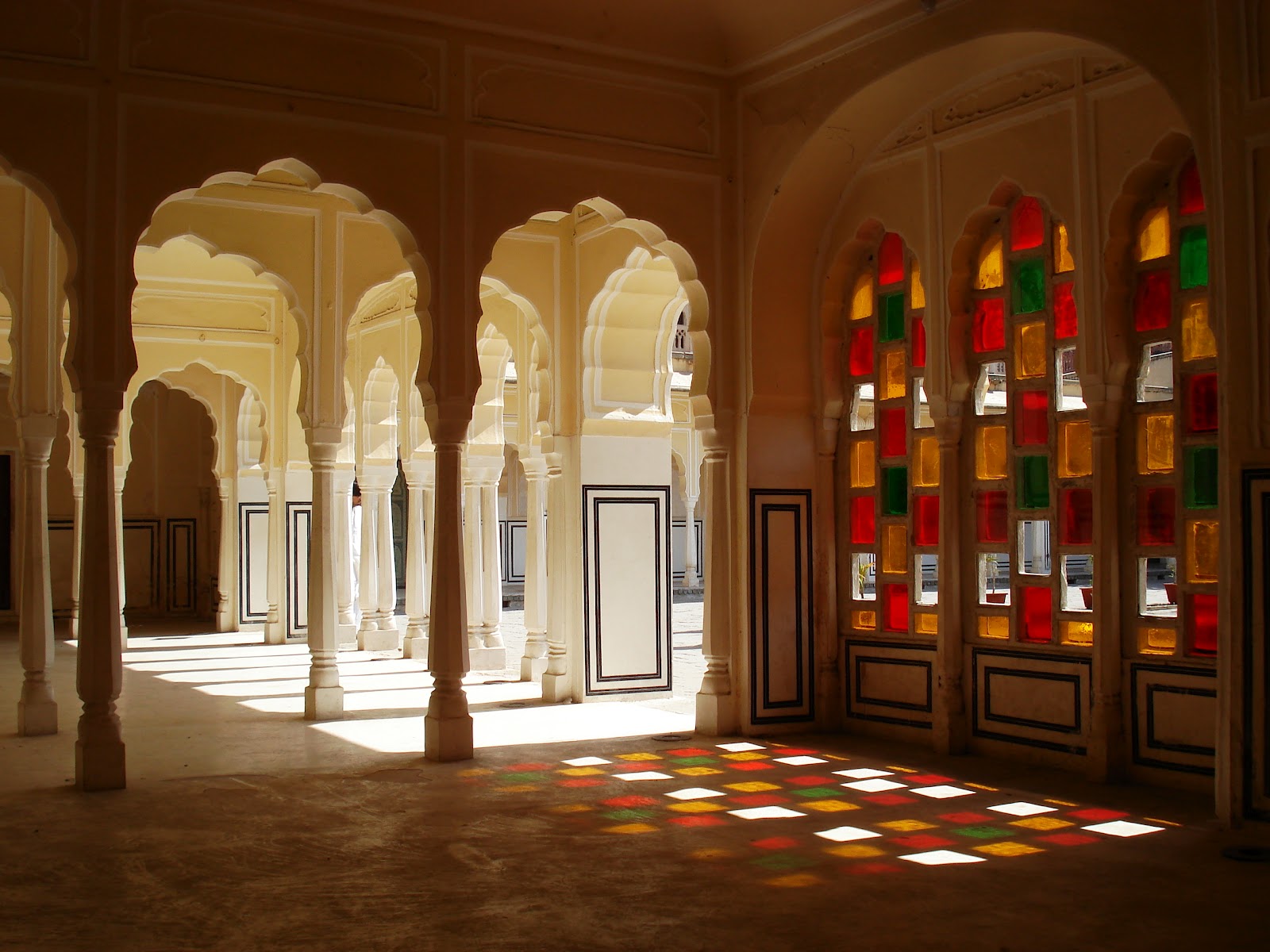
Maharaja Sawai Pratap Singh commissioned the Palace of Winds, and architect Lal Chand Ustad shaped it as a crown for the deity Krishna. Today the screen anchors the Pink City's heritage skyline, drawing visitors who pair guided Jaipur landmarks circuits with City Palace combos. A hawa mahal private guided tour, a fast track entry slot, or a simple priority ticket each opens the climb to its honeycombed upper galleries, where the same airflow that cooled the zenana still moves through the carved jali screens of this Rajput monument.
"A facade more than a building, the Palace of Winds was made for watching, not for being entered."
A step-by-step walkthrough of Hawa Mahal tickets — what you'll see, how long each stage takes, and the details that matter.
You arrive on Hawa Mahal Road by 09:00, when morning sun lights the sandstone and the Badi Choupad crowds are still thin. You pay the 200 INR foreign entry fee, then step behind the famous screen — the side most travelers never see.
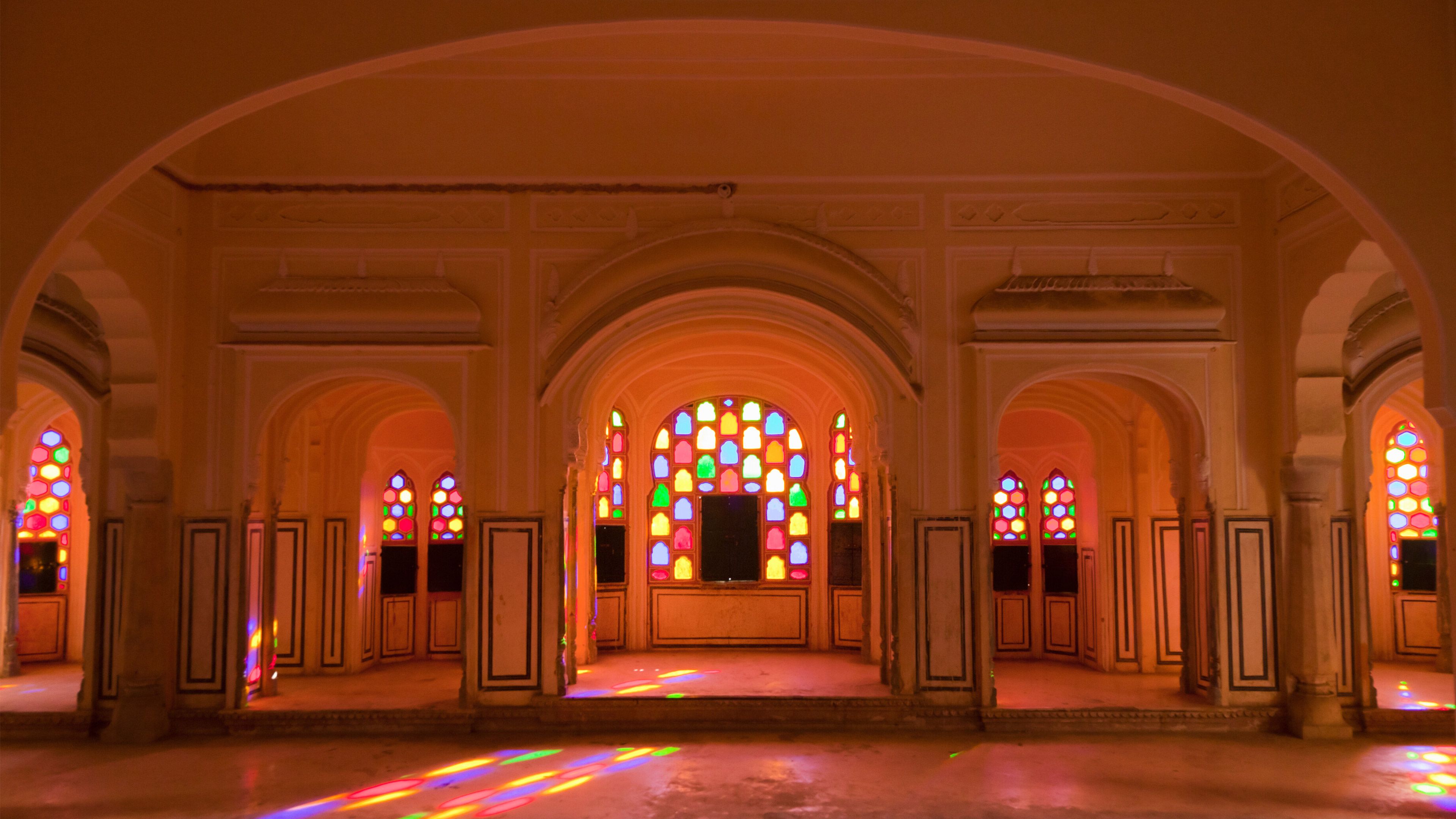
You climb the gentle ramps rather than stairs, passing each of the five tiers toward the top gallery. You pause at the carved jharokhas, feeling air thread through the lattice, and frame the City Palace domes and the distant Jantar Mantar from the windows. A hawa mahal skip the line slot saves you the queue below. By 11:00 you descend, cross to the bazaar for chai, and trace the Pink City's painted arcades on foot before the heat rises.
The landmarks, rooms, and views travelers on Hawa Mahal tours remember — all visible on a single visit.
The west-facing street elevation of hawa mahal contains exactly 953 small latticed windows (jharokhas) arranged across five storeys — a number that allowed royal women to observe street processions without being seen.
The topmost chamber, called Hawa Mandir, sits 15 metres above street level and opens onto a small terrace with unobstructed views over the Pink City bazaars toward Nahargarh Fort on the Aravalli ridge.
The third floor, Sharad Mandir, features the most elaborate carved sandstone screens of any level and was traditionally used during the autumn festival season; its octagonal turrets are visible on the skyline from Tripolia Bazaar.
The compact ground-floor museum houses Maharaja Sawai Pratap Singh-era coins, miniature paintings from the Kachhwaha school, and ceremonial objects — all included in the 200 INR entry fee and displayed in the original palace chambers.
The second storey, Vichitra Mandir, contains a small shrine to Lord Krishna and painted murals in the Rajput style; it is the only floor with direct evidence of the palace's original devotional function.
Every Hawa Mahal tour side-by-side — duration, what's included, how you redeem.
| Experience | From | Duration | Transfers | Pickup | Lunch | Tax inc. | Free cancel. | Price | |
|---|---|---|---|---|---|---|---|---|---|
|
Skip-the-line Most popular
Private Jaipur City Tour: Amber Fort, Hawa Mahal & City Palace
|
— | — | ✓ AC van | — | — | — | ✓ | $32 | Book → |
|
Standard Entry
Jaipur Guided City Tour: City Palace, Jantar, Hawa & Jal Mahal
|
— | 5 hr | — | — | — | — | ✓ | $26 | Book → |
|
Luxury / Private
Jaipur City Palace, Hawa Mahal & Jantar Mantar Private Tour
|
— | 5 hr | — | — | — | — | ✓ | $39 | Book → |
|
Premium Combo
Hawa Mahal and Pink City Private Flower Tour in Jaipur
|
— | 4 hr | — | — | — | — | ✓ | $59 | Book → |
|
Guided Experience
Explore Jaipur City Palace & Hawa Mahal Guided Tour
|
— | — | — | — | — | — | ✓ | $73 | Book → |
All prices from verified partners. Availability and exact terms confirmed at checkout.
Choose your ticket, select your date, and reserve in under two minutes. Secure checkout handled by our verified partner.
Instant confirmation by email, with a mobile voucher you can save offline. No printing, no queuing at a collection desk.
Arrive at the entrance, show your voucher on your phone, and walk in. Most tickets include priority or skip-the-line access.
Practical details for Hawa Mahal tickets straight from our verified partners — hours, access, rules, and how to get there.
Rear side, Hawa Mahal Rd, Badi Choupad, Pink City, Jaipur
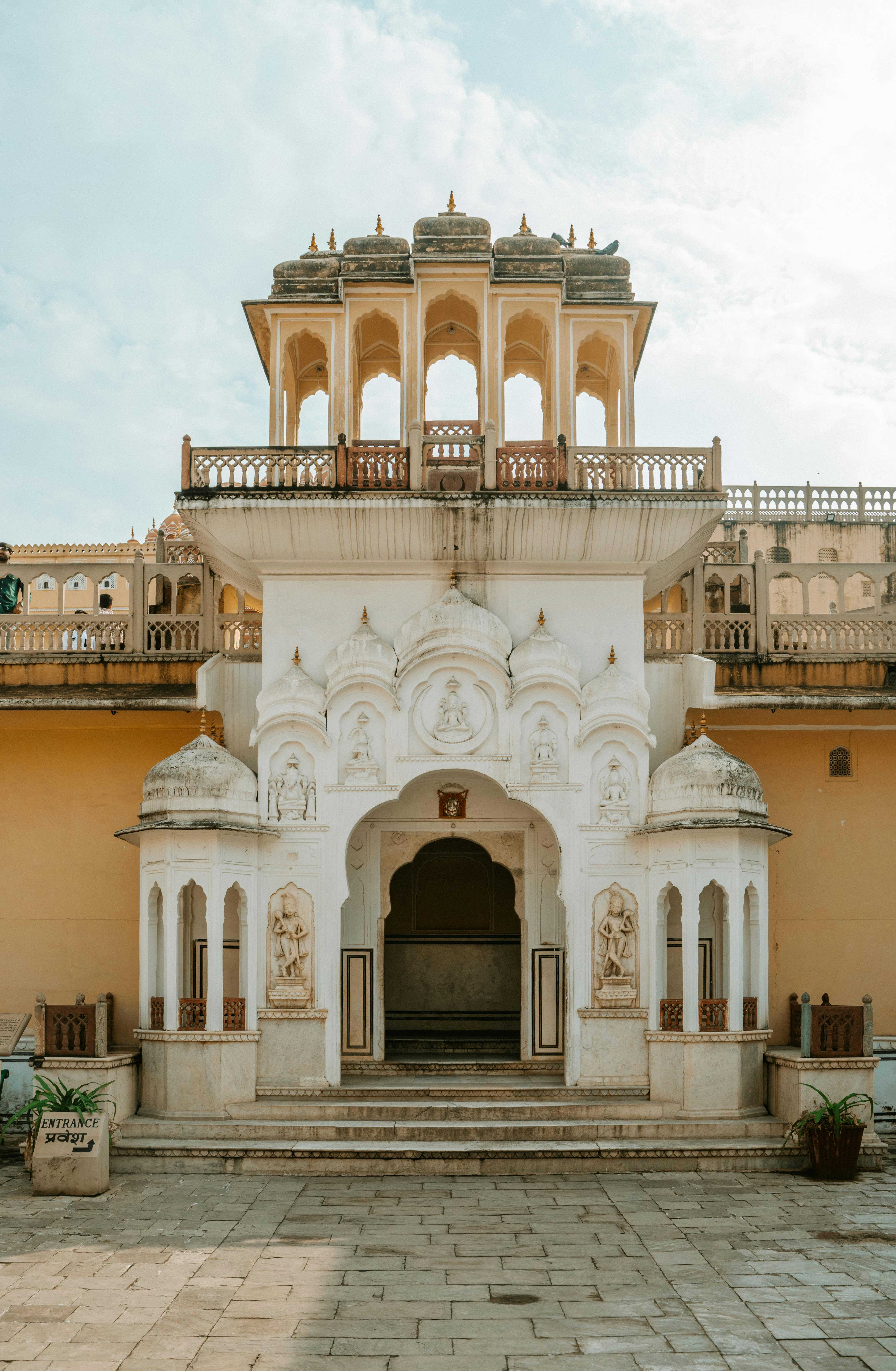
Tickets purchased here; look for the arched Mughal-style gateway off the main road.
Open in Google MapsCity buses (route 2 and 5) stop at Badi Choupad, a 2-minute walk from the entrance
Prepaid autos from Jaipur Junction Railway Station or Sindhi Camp Bus Stand are the most convenient option
From City Palace, hawa mahal is a 7-minute walk east along Tripolia Bazaar
Limited paid parking on Hawa Mahal Road and in the J.D.A. Market lot; arrive before 09:30 to find a space
There is no strict religious dress requirement at hawa mahal, but modest, comfortable clothing is strongly advised — avoid very short skirts or sleeveless tops out of cultural respect. Lightweight, breathable fabric is essential in Jaipur's heat, particularly during the May–September summer season when temperatures routinely exceed 40 °C. Closed or secure sandals are recommended, as some ramp surfaces can be slippery.
All bags are subject to a security check at the entrance gate on Hawa Mahal Road. Small backpacks and handbags are permitted; large suitcases and trolley bags must be left at your accommodation. Lockers are not available on-site, so carry only what you need for the visit.
Personal photography and smartphone filming inside hawa mahal are permitted and free of charge. Professional shoots using tripods, drones, or dedicated video equipment require a separate permit obtained in advance from the Archaeological Department, Rajasthan. The ornate 953-window facade is best photographed from the street opposite (Siredeori Bazaar) in the morning when sunlight falls directly on the pink sandstone jharokhas.
Hawa mahal was built in 1799 across five storeys connected primarily by sloped ramps rather than stairs, making the lower floors accessible to wheelchair users with assistance. However, the upper levels narrow considerably and are difficult to navigate in a wheelchair without help. There are no elevators, no tactile ground-surface indicators, and no dedicated audio guides for visually impaired visitors. Visitors with limited mobility are encouraged to focus on the ground-floor museum and the second-floor chambers, which offer the most complete experience without requiring full ascent.
Mobile phones are permitted throughout hawa mahal for personal photography and navigation. There is no official Wi-Fi inside the complex. Network coverage (4G/5G) from major Indian carriers is generally reliable in the Pink City area. Keep the volume on silent in the museum galleries as a courtesy to other visitors.
Hawa mahal is well suited to families with children — the five-storey palace has a logical ramp-based route that older children can climb independently, and the latticed sandstone screens (jharokhas) at every level make for engaging exploration. The on-site museum on the ground floor displays coins, miniature paintings, and ceremonial objects that provide historical context. Allow 1.5 to 2 hours for a family visit. Strollers can be used on the lower ramps but become impractical on the narrower upper floors.
No food or drink stalls operate inside the palace complex itself. Vendors selling chai, fresh juice, and snacks line Hawa Mahal Road and the adjoining Siredeori Bazaar immediately outside the entrance — these are the most convenient options before or after your visit. The nearby Lassiwala shops on M.I. Road (approximately 10 minutes on foot) are a local institution. Carry a sealed water bottle into the complex, especially during summer months.
Pets are not permitted inside the hawa mahal complex. Certified assistance dogs for visitors with disabilities are the sole exception; owners should carry official documentation. No pet-minding facilities are available on-site.
The hawa mahal site is managed by the Archaeological Survey of India and the Rajasthan government; official guided audio tours are not yet available on-site as of June 2026, though licensed local guides can be hired at the gate for approximately 200–400 INR. The small museum on the ground floor contains Maharaja Sawai Pratap Singh-era artefacts and is included in the entry fee. Combine your visit with the City Palace and Jantar Mantar, both within walking distance, to maximise your time in the Pink City.
Rear side, Hawa Mahal Rd, Badi Choupad, Pink City, Jaipur
Tickets purchased here; look for the arched Mughal-style gateway off the main road.
Get directions
Siredeori Bazaar, opposite the palace facade, Pink City, Jaipur
Standard street-side meeting spot directly facing the five-storey facade; visible from 200 m away.
Get directionsBest time to go, insider tips, nearby landmarks, and the cancellation fine print — flip through to skim what matters to you.
How crowds, weather, and events shift across the year.
Cooler post-monsoon weather; clear skies make facade photography vivid and crowds are manageable.
Peak tourist season with mild temperatures around 15–20 °C; busiest period, especially around Christmas and New Year.
Warm but tolerable; Holi festival brings colour and energy to the Pink City's bazaars.
Intense heat (40–45 °C); visit strictly between 09:00 and 11:00 and carry ample water.
Monsoon season brings cooler temperatures and dramatic skies for photography, but humidity is high and some days see heavy rain.
Small details that turn a good visit into a great one.
The 09:00 opening is the single best moment to photograph hawa mahal — the morning sun strikes the pink sandstone facade directly from the east, and the street in front is clear of the tour groups that accumulate by 10:30.
The main ticketing entrance is on the rear (west) side off Hawa Mahal Road; the ornate facade faces east onto Siredeori Bazaar and has no ticket counter — first-timers often waste time looking for a front entrance.
All three major Pink City landmarks are within a 12-minute walk of each other; a 09:00 start at hawa mahal, 1.5 hours there, then a short walk to Jantar Mantar and City Palace completes the cluster before the afternoon heat peaks.
The ticket counter at the gate does not always have change for large notes; having 200 INR in smaller denominations avoids delays during busy periods.
Licensed guides stationed at the entrance charge approximately 200–400 INR for a 45-minute tour and can explain the architectural symbolism of the 953 jharokhas and the palace's connection to the women's zenana — information not available on any posted signage.
The gem and jewellery market directly adjacent to hawa mahal is far less congested before 10:00; save shopping for after your palace visit when stalls are fully open and you have already seen the palace at its best.
Non-bookable sights within a short walk — free to visit, easy to pair.
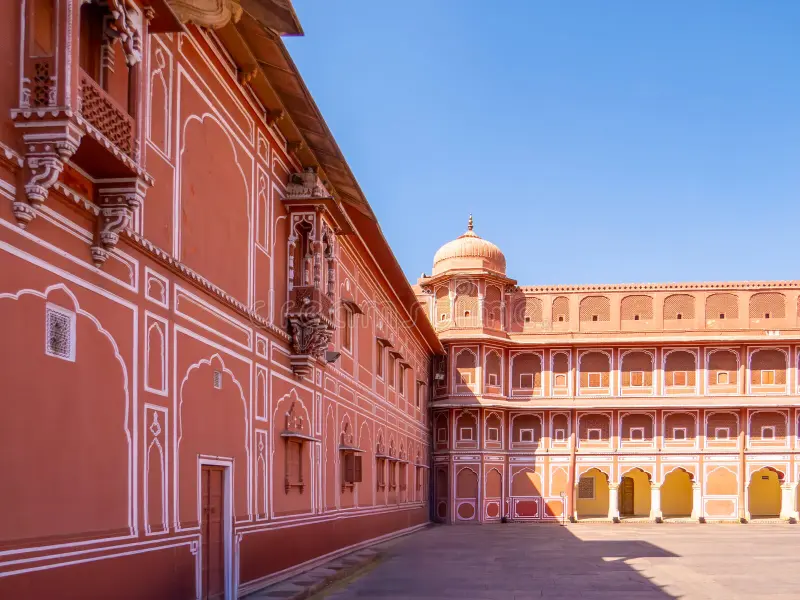
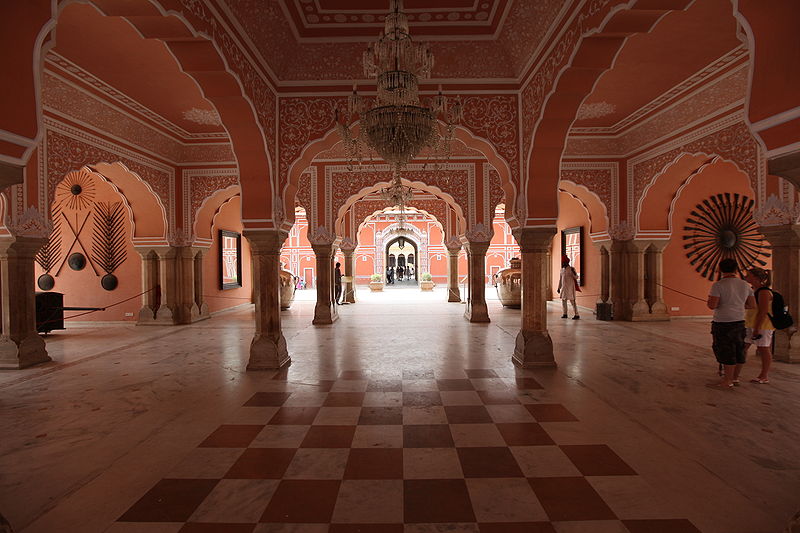
The royal palace complex of the Kachwaha dynasty, still partly occupied by the royal family, with courtyards, museums, and the iconic Mubarak Mahal.
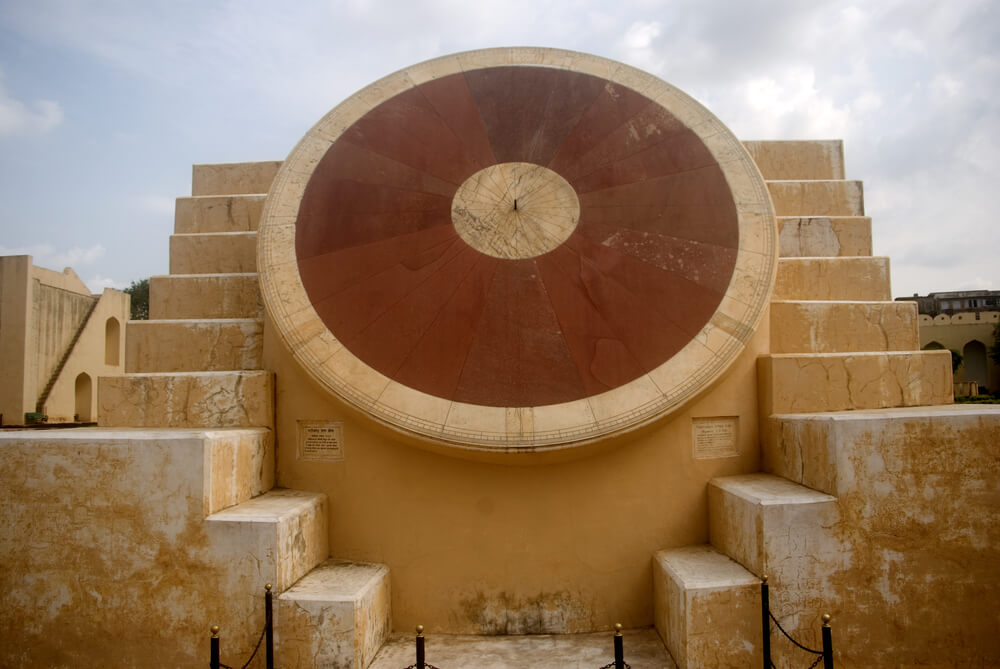
UNESCO World Heritage astronomical observatory built by Maharaja Sawai Jai Singh II in 1734, containing the world's largest stone sundial.
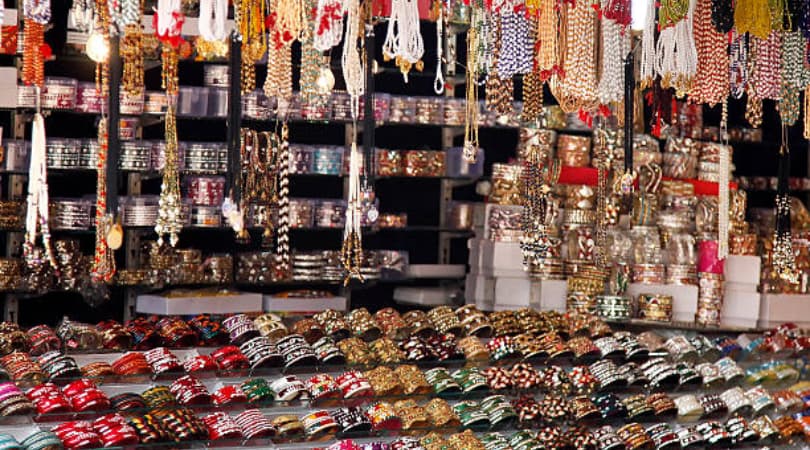
Jaipur's principal jewellery and gem market, lining the street directly south of hawa mahal; renowned for kundan and meenakari work.
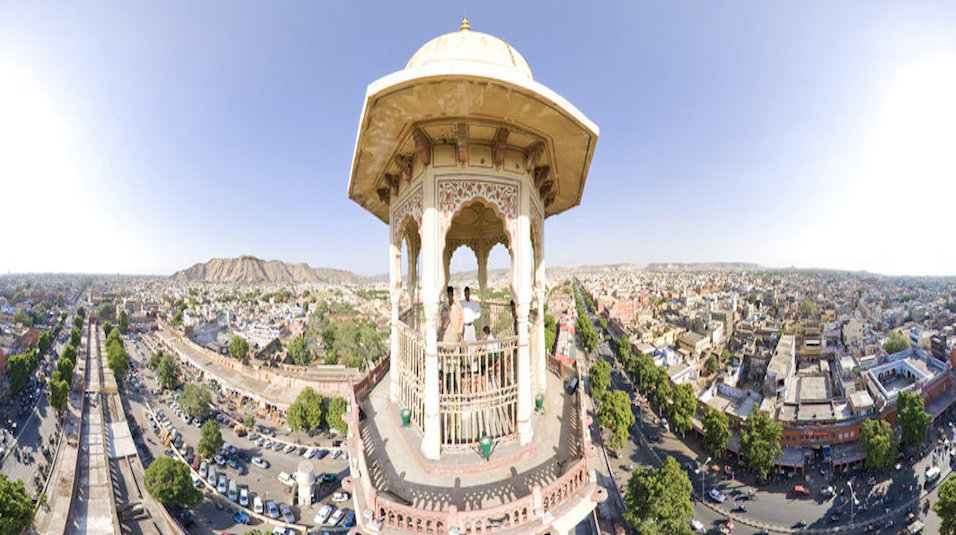
A seven-storey minaret built in 1749 by Maharaja Ishwari Singh; climb to the top for a panoramic view over the walled city.
One of the two main intersections of the Pink City's grid plan, lined with textile shops and an active street-food scene.
Flexible, no hidden fees.
Tickets purchased at the gate are non-refundable; the 200 INR foreign adult entry fee is collected on-site and cannot be pre-booked through the official Rajasthan Tourism portal, so no advance cancellation window applies. Third-party tour operators offering hawa mahal tours typically allow free cancellation up to 24 hours before the scheduled visit; check individual operator terms at time of booking.
Hand-picked options within walking distance — pick a district for vibe, or a specific hotel for convenience.
A 475-year-old restored haveli with frescoed courtyards and a rooftop pool, set within the walled city.
A heritage property converted from a 19th-century nobleman's residence; known for its garden and colonial-era architecture.
A family-run guesthouse near Jai Singh Highway with rooftop dining and well-regarded service among budget travellers.
A popular backpacker hostel in the old city area with dormitory and private rooms, walking distance from major Pink City sights.
The walled city neighbourhood surrounding hawa mahal concentrates dozens of guesthouses and heritage hotels at all price points within 15 minutes on foot.
Hawa mahal is open every day of the week from 09:00 to 16:30, including weekends and most public holidays; verify on the day of your visit during major national holidays such as Republic Day (26 January) when access may be restricted.
The entry fee for foreign adult visitors is 200 INR per person, paid in cash at the ticketing counter on the rear side of the complex off Hawa Mahal Road; Indian nationals pay a lower concessional rate.
Arriving between 09:00 and 11:00 gives you the clearest light on the pink sandstone facade and the fewest tour groups; weekday mornings — particularly Tuesday and Wednesday — see the lightest footfall of the week.
The Palace of Winds was constructed with sloped ramps rather than stairs, making the lower floors accessible to wheelchair users with assistance, but the narrowing upper storeys are challenging without mobility support and there is no elevator.
Personal photography with smartphones and cameras is free throughout hawa mahal; drone operation and tripod use for commercial shoots require an advance permit from the Rajasthan Archaeological Department, and the best exterior shots are taken from the pavement opposite on Siredeori Bazaar.
There is no strict dress code, but modest and lightweight clothing is culturally appropriate and practically essential given Jaipur's summer temperatures — breathable fabrics, a hat or scarf, and comfortable sandals are strongly recommended for any Jaipur sightseeing tour.
Small backpacks and handbags pass through a security check at the gate and are permitted; large trolley bags and suitcases must be left at your accommodation as no cloakroom facilities exist on-site.
No food or drink is sold inside the complex; street vendors and chai stalls operate immediately outside on Hawa Mahal Road and Siredeori Bazaar, and the famous Lassiwala shops on M.I. Road are about 10 minutes on foot.
City buses on routes 2 and 5 stop at Badi Choupad, a 2-minute walk from the entrance, taking roughly 25–40 minutes from Jaipur Junction; prepaid auto-rickshaws from the station cost approximately 80–150 INR and take 15–25 minutes depending on traffic.
Hawa mahal is an excellent family destination — the ramp-based layout lets children climb the five storeys independently, the ground-floor museum has engaging royal artefacts, and the latticed jharokha screens at every level are a tactile highlight for younger visitors; allow 1.5 to 2 hours.
A hawa mahal tour pairs naturally with the City Palace (10 minutes on foot), Jantar Mantar astronomical observatory (12 minutes on foot), and a stroll through Johari Bazaar — all three can be covered in a single morning starting at 09:00.
Prohibited items include drones without a permit, tripods for commercial use, large suitcases, outside alcohol, firearms, fireworks, animals (except certified guide dogs), and single-use plastic bottles.